As gold prices surged in 2025, the impact has been deeply felt in the Sahel region of West Africa, a zone plagued by conflict, instability, and insecurity.
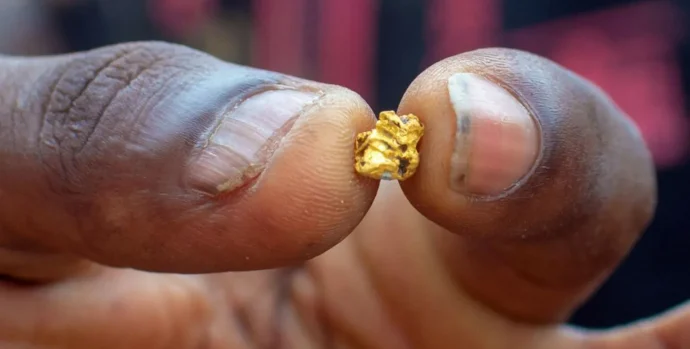
The countries of Burkina Faso, Mali, and Niger are rich in gold, much of which is extracted through illegal and unregulated artisanal mining. While this sector generates billions of dollars, the revenue rarely benefits local populations.
The military juntas that rule these countries are seeking to capitalize on gold profits to fund counterterrorism efforts against groups like al-Qaeda and Islamic State, and to consolidate their Russian-backed regimes.
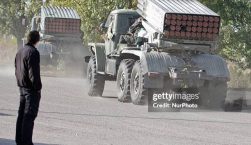
The Wagner mercenary group and its successor, Africa Corps, are working with these governments. They are accused of being paid in gold or given mining rights, and are also linked to serious human rights abuses.
According to the United Nations Office on Drugs and Crime (UNODC), proceeds from illegal gold mining continue to fund terrorist organizations, including JNIM (Jama’at Nusrat al-Islam wal-Muslimin), further intensifying the violence.
Although this gold is traded internationally—especially in the United Arab Emirates (UAE)—its origin is difficult to trace, allowing conflict gold to enter global markets unchecked.
Experts warn that this is the new “blood gold” of Africa, yet it lacks the international regulation that was applied to conflict diamonds in past decades.
While impoverished Sahel countries struggle to defend their sovereignty, gold, which should be a source of growth and hope, is instead fueling death and despair.