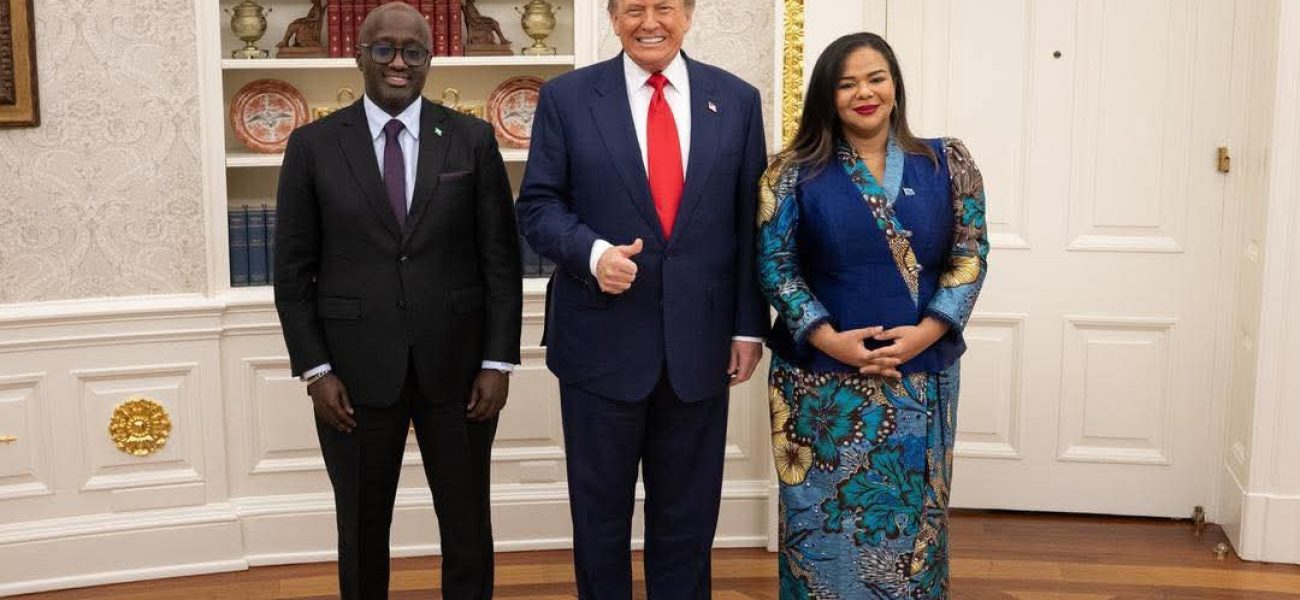
The Democratic Republic of Congo and Rwanda signed a U.S.-mediated peace agreement on June 27, 2025, in Washington, D.C. While an agreement between Congo’s government and the AFC/M23 is still pending, expected to be signed in Doha, what happens next after the Washington agreement?
First steps before July 27, 2025:
Rwanda and the DRC must establish a joint coordination mechanism. This mechanism will work with a monitoring committee that includes the African Union (AU), the United States, and Qatar. The committee’s first meeting must be held by August 11 at the latest.
On the ground, two urgent priorities:
-
Dismantling the FDLR (a Rwandan rebel group hostile to Kigali)
-
Lifting Rwanda’s defensive measures
These actions must be completed in multiple phases over four months.
Three months to dismantle the FDLR
The first stage will be a two-week preparation phase, involving intelligence assessments, mapping FDLR fighters, and information sharing between both sides.
Then, a three-month operation will begin to neutralize the FDLR and lift Rwanda’s military defenses.
According to RFI sources, a joint operation between the FARDC (Congolese army) and the RDF (Rwandan army) is possible — but this requires mutual approval from both governments.
On the economic front:
By September 27, the two countries must launch a regional economic integration plan. This will focus on natural resources, cross-border trade, and investment collaboration.
“Fighting could resume at any moment”
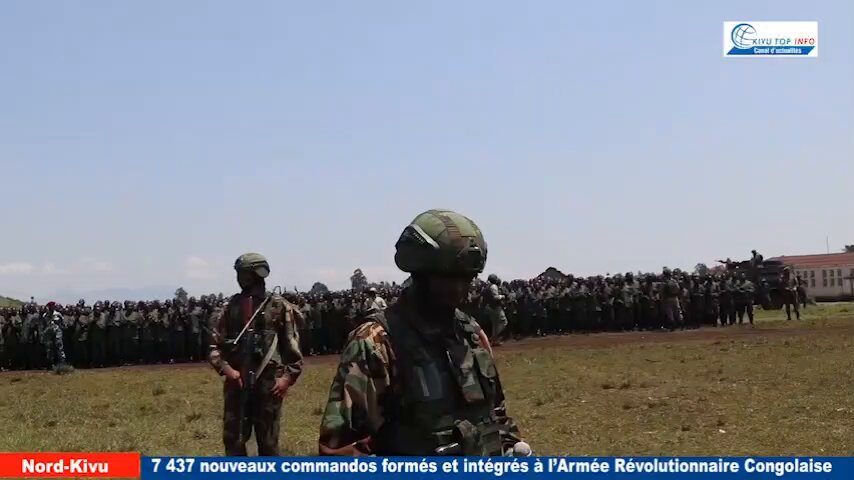
The M23 rebel group was not invited to the Washington peace talks — despite reigniting war in late 2021 and early 2022, capturing wide areas of eastern DRC. Rwandan forces have been accused of supporting them, though Rwanda denies this.
The AFC/M23 issue has been deferred to Doha peace talks, which aim to reach a direct agreement between Kinshasa and the rebels.
Speaking to RFI by phone, Pierre Boisselet from the Ebuteli Institute in Congo said that the Rwanda-DRC deal does not necessarily guarantee peace, despite signs of relative calm in recent months.
He stated:
“The M23 is clearly stronger than it was in 2013. The territories it controls are very strategic. They’ve made major efforts in military training and other capacities. Based on the data we have, Rwandan forces were mostly on the front line during offensives that led to territorial gains. Therefore, M23 has not necessarily shown it can sustain long-term conflict alone against FARDC.”
The real test now:
Will the DRC honor its Washington commitments by cutting ties with and dismantling the FDLR, a group it has often protected or collaborated with?
And what will be the outcome of the Doha negotiations between the Kinshasa government and AFC/M23?