Rwanda Hosts EAC Tax Agencies’ 20th Technical Committee Meeting Focused on Fighting Corruption
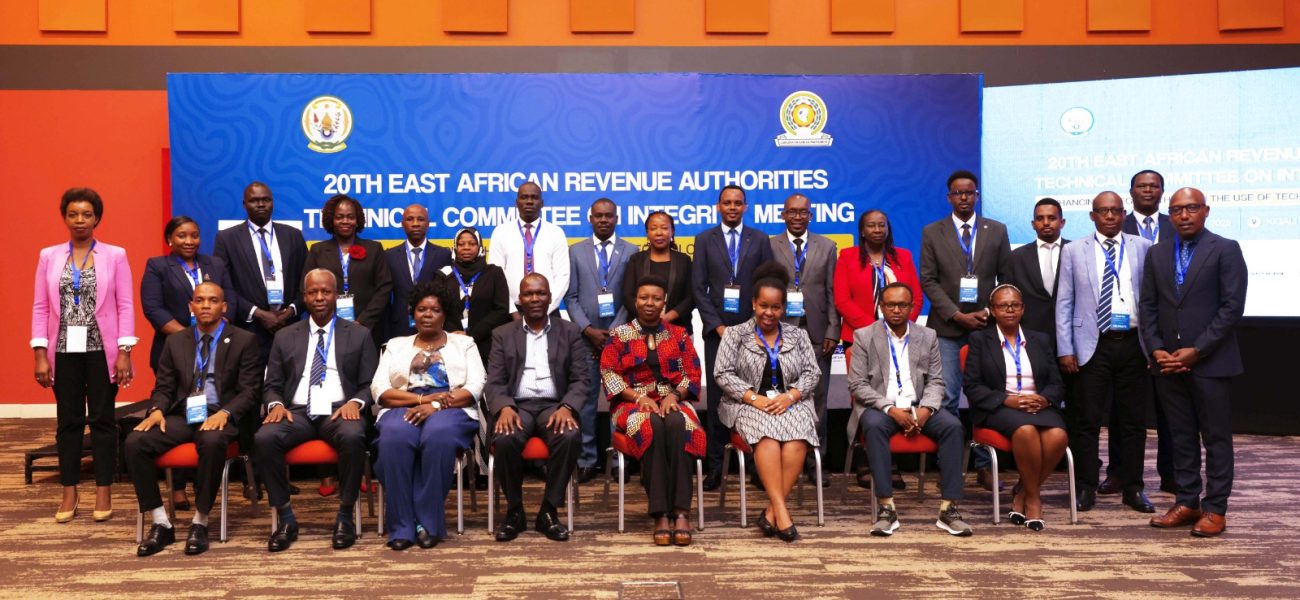
Rwanda is hosting the 20th meeting of the Technical Committee of East African Revenue Authorities (EARATCI), which focuses on improving institutional performance. The main theme is enhancing integrity and combating corruption and smuggling—a sector known to face many challenges.
The meeting is taking place in Kigali from May 27 to May 30, 2025, under the theme: “Enhancing Integrity through the Use of Technology in Data Analytics.”
Dr. Innocente Murasi, Deputy Commissioner General of the Rwanda Revenue Authority (RRA), pointed out that tax legislation and its implementation—both in customs and domestic taxation—can at times create loopholes for corruption.

“Corruption causes significant losses to society, undermines all pillars of development, and negatively affects institutions that impact every individual,” she said.
She emphasized that the fight against corruption must begin at the individual level and urged EAC countries to commit to a shared vision of a corruption-free region, which will create space for investment and sustainable development.
Dr. Murasi reiterated that RRA has zero tolerance for corruption, having introduced various measures such as a dedicated unit to analyze operational risks, the adoption of digital systems for data exchange and service delivery, the simplification of service procedures, and the promotion of transparency and professionalism.
“I believe this meeting will offer a great opportunity to share best practices and effective strategies across member states, so we can build a corruption-free region,” she added.
James Abola, Deputy Commissioner for Integrity, Ethics, and Good Governance at the Uganda Revenue Authority and current Chair of EARATCI, noted that in recent times, tax institutions have faced cyber intrusion attempts aimed at disrupting digital tax services.

“This is serious and requires an urgent response from investigative, preventive, and enforcement agencies. One key area needing strengthening is the speed and efficiency of sharing information about emerging fraud tactics,” he said.
This will enable institutions that haven’t yet faced such threats to prepare and respond collectively.
Nathalie Mutegaraba, Commissioner for Internal Audit and Good Governance at RRA, called for regional cooperation in this endeavor, referencing resolutions made at the previous meeting held in Tanzania.
Those resolutions included implementing the EAC Good Governance and Anti-Corruption Strategy, adopting policies to prevent gender-based violence, monitoring financial flows, and developing a unified regional reporting system.
Participants also agreed to take time during the meeting to exchange information on threats to good governance and develop solid strategies to combat and prevent corruption.