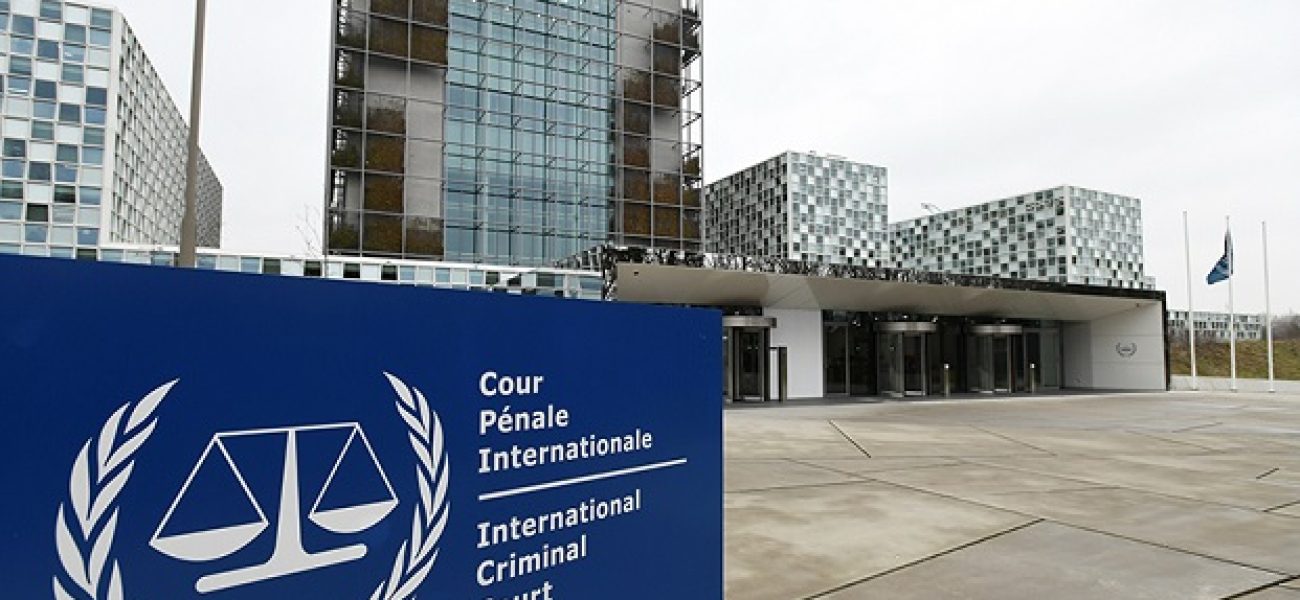
On Tuesday, July 8, the International Criminal Court (ICC) issued arrest warrants for Afghanistan’s Supreme Leader under the Taliban regime and the President of their Supreme Court, accusing them of persecuting girls and women in Afghanistan.
The ICC stated that there is sufficient evidence that the Taliban’s Supreme Spiritual Leader, Haibatullah Akhundzada, and the Taliban’s Chief Justice, Abdul Hakim Haqqani, committed crimes against humanity, specifically gender-based persecution targeting girls, women, and others who disagree with the Taliban’s policies on gender, identity, or expression, as outlined by the United Nations court.
“While the Taliban imposed laws and restrictions on the general population, girls and women were especially targeted based on their gender, and were denied rights and freedoms.”

Supreme Leader of Afghanistan, Haibatullah Akhundzada
ICC judges said the Taliban have “severely deprived” girls and women of their rights to education, privacy, family life, freedom of movement, expression, thought, conscience, and religion.
How Have the Taliban Responded?
The court based in The Hague said these crimes were committed from August 15, 2021 (when the Taliban took power) until at least January 20, 2025.
In response, Taliban spokesperson Zabihullah Mujahid stated:
“The Taliban reject these ‘ignorant’ arrest warrants and affirm that the ICC’s decision will not affect our strong commitment and dedication to Sharia (Islamic law).”