
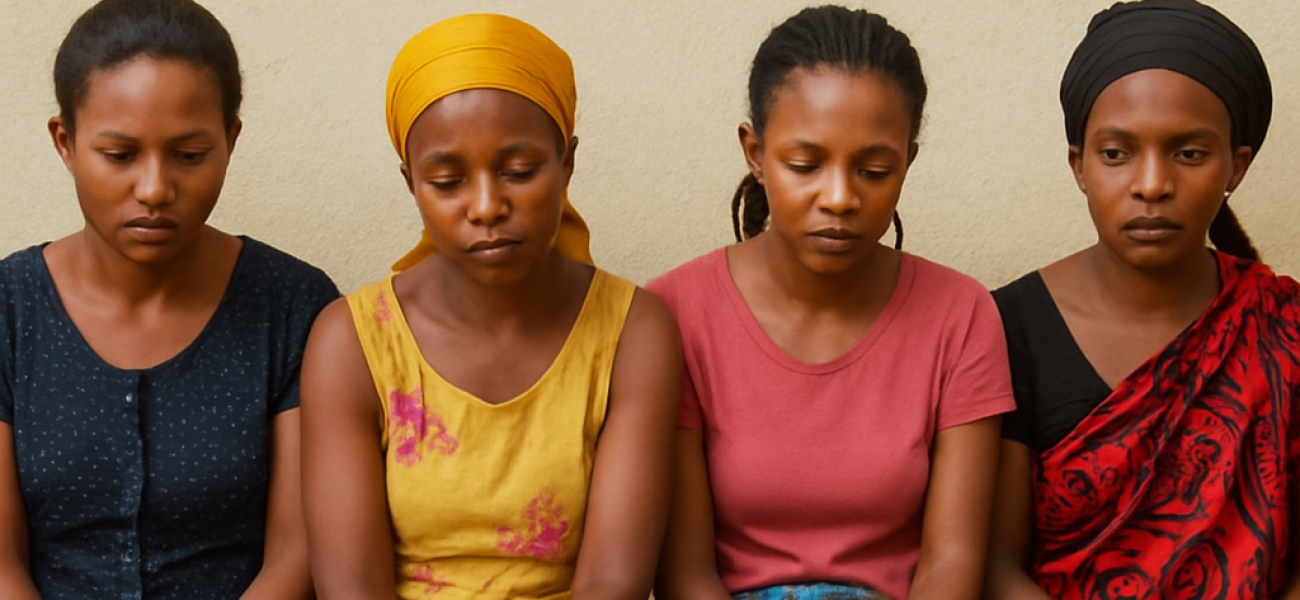
A new condition has been identified in Rwanda that could reshape how people understand heartbreak and emotional trauma from relationships. The syndrome has been provisionally named Relationship Disappointment Stress Syndrome (RDSS).
This condition is especially common among married women, particularly those who entered marriage with high hopes of healing past emotional wounds.
Dr. Celestin Mutuyimana, a Rwandan mental health expert, first documented the syndrome after treating patients who presented similar symptoms: unexplained physical pain, silence, emotional breakdown, and feelings of worthlessness.
The condition is rooted in traditional Rwandan and broader African beliefs, where marriage is seen as a source of peace, healing, and future security. When those expectations are not met, it can result in deep psychological distress, although it differs from typical conditions like PTSD or depression.
One example is Chadia, a 25-year-old woman who was diagnosed with this syndrome. She married young, believing the marriage would heal her childhood trauma. Instead, she faced abuse, miscarriage, and even loss of voice. Conventional doctors couldn’t explain her symptoms until she sought help from a mental health specialist.
Dr. Mutuyimana outlines four main symptom categories:
-
Physical symptoms: unexplained pain, fatigue, and in some cases, partial paralysis.
-
Relational symptoms: loss of trust in others, emotional withdrawal, and reluctance to socialize.
-
Love-related symptoms: obsession with romantic expectations and constant thoughts about the spousal bond.
-
Life outlook symptoms: feelings of purposelessness and persistent anxiety about the future.
Although RDSS is not yet recognized in international medical manuals, Dr. Mutuyimana warns it is a growing concern in Rwanda and neighboring countries like Kenya and Tanzania.
Mental health professionals are calling for programs to help young people heal psychological wounds before marriage, and for education about healthy expectations in relationships.
Dr. Mutuyimana states:
“Many of my patients told me they weren’t depressed or traumatized—they were simply heartbroken that their love didn’t lead them to the peace they had envisioned.”