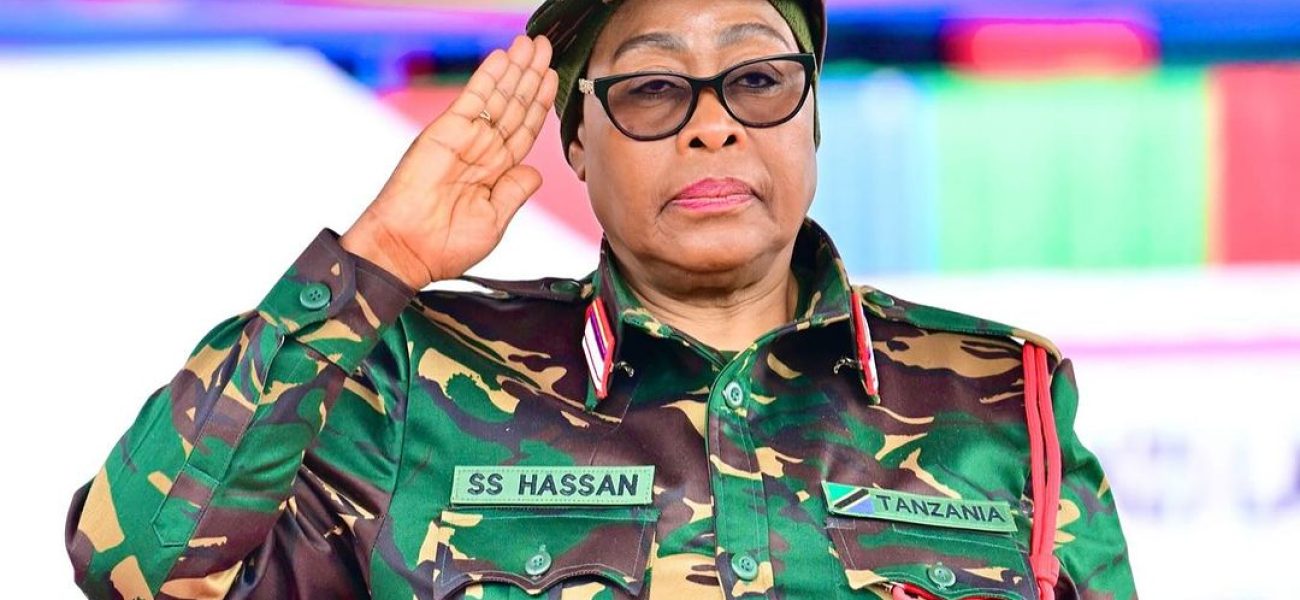
Tanzania is experiencing escalating political tensions as opposition figures face abductions, arrests, and even killings. The initial optimism following President Samia Suluhu Hassan’s ascent to power in 2021 is waning.
Upon taking office, President Samia, Tanzania’s first female leader, was lauded for allowing opposition parties to organize protests and criticize the government without fear. However, concerns are growing that the country is reverting to the repressive era of her predecessor, John Magufuli.
In recent weeks, two senior opposition leaders have been arrested twice, and another, Ali Kibao, was abducted and killed, with his body found dissolved in acid.
Tundu Lissu, deputy leader of the main opposition party Chadema, expressed grave concerns about the political situation, describing it as a “serious political crisis.” He made these remarks to the BBC a week before his own arrest on charges of treason. Lissu and Chadema chairman Freeman Mbowe were later released on bail. Lissu likened the current repression to the Magufuli era, citing state-orchestrated violence and suppression.
Kenyan human rights activist Boniface Mwangi was detained in Tanzania while attending Lissu’s trial. He reported being tortured by Tanzanian security agents before his release, following intervention by Kenya’s foreign ministry. President Samia has warned neighboring countries against interfering in Tanzania’s internal affairs.
Kenya’s foreign ministry expressed concern over Mwangi’s treatment, emphasizing the need for diplomatic access to detained nationals, as stipulated by the Vienna Convention.
Tanzania also denied entry to former Kenyan Justice Minister Martha Karua and other human rights activists who intended to attend Lissu’s trial, further straining diplomatic relations.
Human rights organizations have voiced alarm over the suppression of opposition voices ahead of Tanzania’s upcoming elections in October.