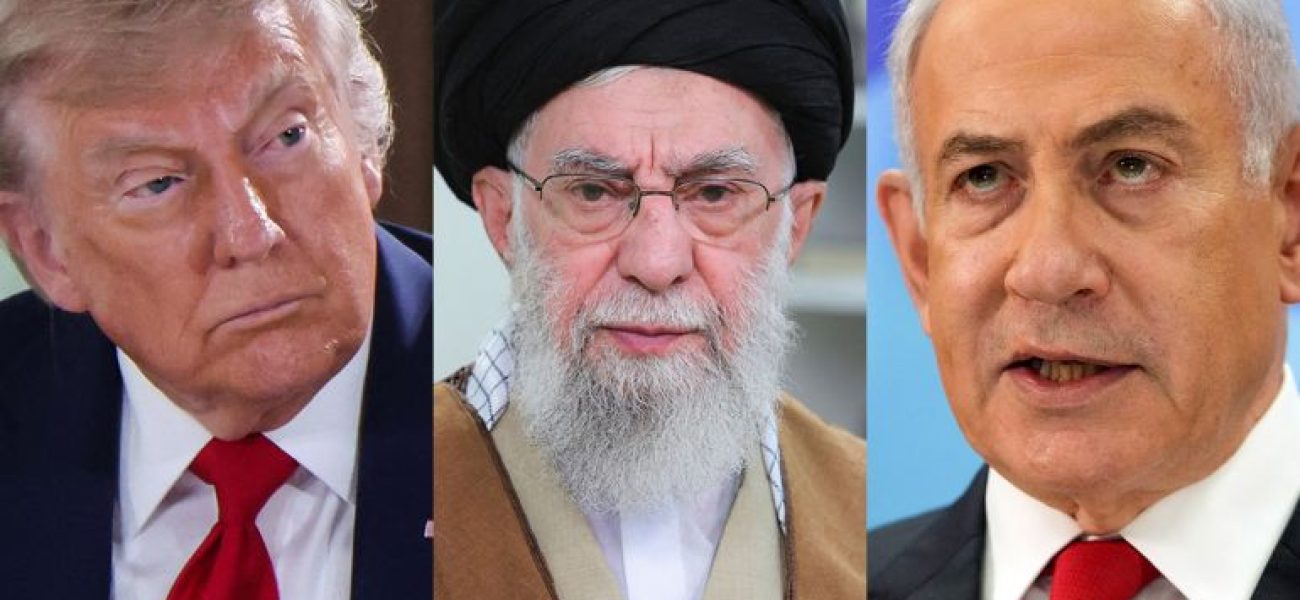
The roots of conflict between the US, Israel, and Iran lie in a complex history of cooperation, rivalry, and shifting power dynamics that have profoundly shaped the Middle East.
To truly understand this ongoing tension, one must delve deeply into history, grasp each country’s interests, and recognize the roles played by various regional actors.
I. United States & Iran: From Allies to Adversaries
US–Iran relations began in the 19th century (then Qajar Persia), with early cooperation as America supported Iran’s independence from European colonizers. However, the dynamic shifted dramatically in the 20th century, especially after World War II.
A. The 1953 Coup and US Involvement
A pivotal moment came with the 1953 CIA–MI6–backed coup overthrowing Prime Minister Mohammad Mosaddegh, who had nationalized Iran’s oil. Western powers, which held significant interests in Iranian oil, were displeased.
The coup reinstated Shah Mohammad Reza Pahlavi—a US ally but unpopular domestically—prompting many Iranians to view America as meddling in their internal affairs.
B. The 1979 Iranian Revolution
Anti-American sentiment surged further after the 1979 Islamic Revolution led by Ayatollah Khomeini, which established a theocratic regime. The US became “the Great Satan” in Iranian rhetoric.
The takeover of the US embassy in Tehran in 1979 marked the point of no return in bilateral relations.
C. US Policy Post-Revolution
Since, US policy toward Iran has been dominated by strict sanctions aimed at halting Iran’s nuclear ambitions and curbing its support for militant groups. Iran, in turn, has gravitated toward anti‑US alliances in the region.
II. Israel & Iran: From Collaboration to Hostility
Israeli–Iranian ties also transformed significantly over time.
A. Pre-Revolution Cooperation
Before 1979, Israel and Iran maintained diplomatic relations and military cooperation. Israel had an embassy in Tehran, and the countries collaborated during the Six-Day War era.
B. Post-Revolution Shift
The revolution brought a radical change. Iran began supporting anti-Israel groups like Hezbollah in Lebanon and Hamas in Gaza. Over time, the relationship went from cold to hostile, evolving into full-on rivalry.
C. Iran’s Nuclear Program vs. Israeli Security
Israel views Iran’s nuclear ambitions as an existential threat. In response, Israel has conducted military strikes—often using airstrikes or covert operations—against Iranian military positions in Syria and beyond, deepening their enmity.
III. US, Israel & Iran: A Complex Triangular Rivalry
This triangle creates a confusing web of conflicting interests. The US and Israel are staunch partners, both actively opposing Iran’s influence. Iran, in response, deepens alliances with anti‑US/Israeli entities.
A. Regional Stakeholders
Other players—terror groups, neighboring states, and global powers—further complicate the scenario. For example, Iran’s backing of Hezbollah impacts Israel’s security and US–Iran relations.
B. Conflicting Objectives
Each country pursues distinct goals:
-
The US seeks to protect economic interests, counterterrorism, and support Israel.
-
Israel seeks to guarantee its security and block Iran’s nuclear progress.
-
Iran aims to expand its regional influence, overcome sanctions, and support Shiite militias.
These competing goals create persistent friction and make the conflict difficult to resolve.
IV. Conclusion
The US–Israel–Iran conflict is rooted in decades of oscillating cooperation and confrontation. It’s a multifaceted, deeply entrenched issue that demands comprehensive dialogue and diplomacy if any enduring solution is to be found.