Rwanda has made progress in many areas, but the education sector appears to be lagging behind—a serious issue “if not urgently addressed.”
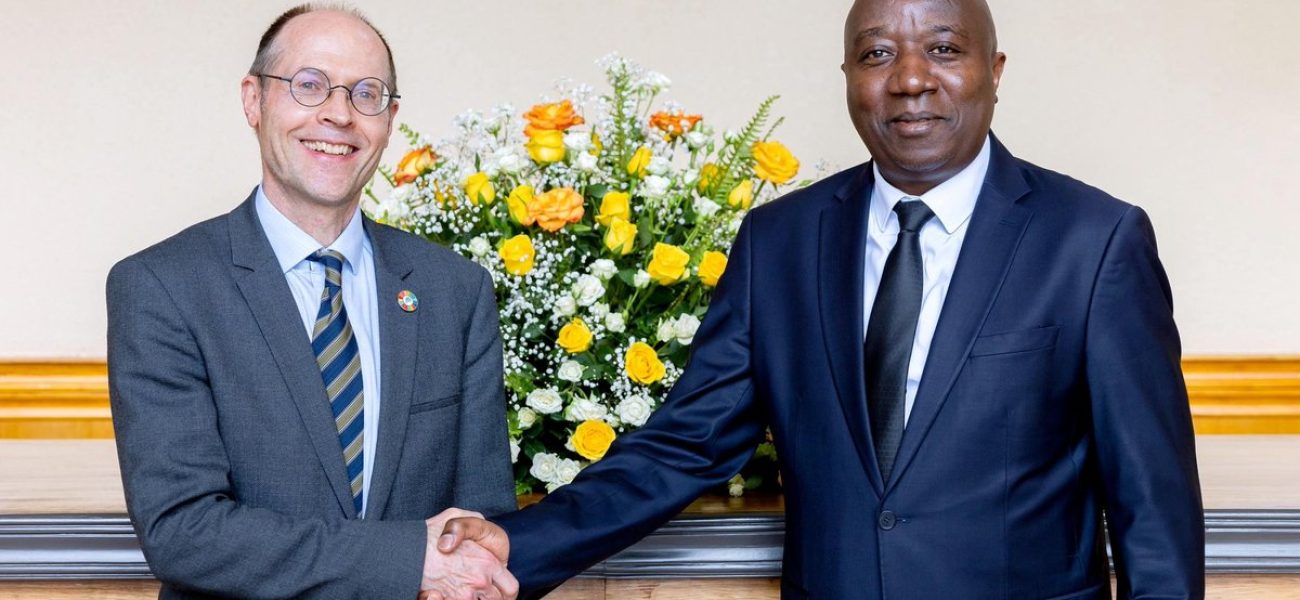
This was recently revealed by Olivier De Schutter, the United Nations Special Rapporteur on extreme poverty and human rights, during his visit to Rwanda.
De Schutter acknowledged that Rwanda has made significant strides in reducing poverty, but emphasized that much remains to be done, noting that one in three Rwandans still lives below the national poverty line. He highlighted education as one of the areas of concern.
He said: “The quality of education is extremely low. Rwanda ranks 160th out of 175 countries according to a World Bank report. Teachers are poorly trained, and in primary schools, classrooms are overcrowded despite the construction of over 25,000 new classrooms in the last seven years.”
De Schutter pointed out that 64% of primary students attend school in double shifts—some in the morning, others in the afternoon—reflecting a shortage of classrooms and teachers, which affects the quality of basic education.
He also raised concern over Rwanda’s public debt, stating that as of January this year, it stood at 78% of the country’s GDP.
This level of debt has led the government to take strict measures to reduce the budget deficit, which the expert warned could affect funding for social welfare programs.
Speaking to journalists on Friday, Olivier De Schutter said that between 2017 and 2024, 1.5 million Rwandans rose out of poverty, but three million still remain below the poverty line.