-
President Theodor Sindikubwabo and the Government of Killers Continue to Incite Hutus to Exterminate Tutsis
On April 20, 1994, the then-President of the Government of Killers visited the Ndora and Shyanda communes in Gisagara, urging the Hutus to exterminate the Tutsis. On that day, in the city of Butare, Prefect Nsabimana, who had been appointed by Sindikubwabo, held a prefectural meeting aimed at planning the genocide within the Butare region.
-
The Killing of Queen Rosalie Gicanda in the City of Butare
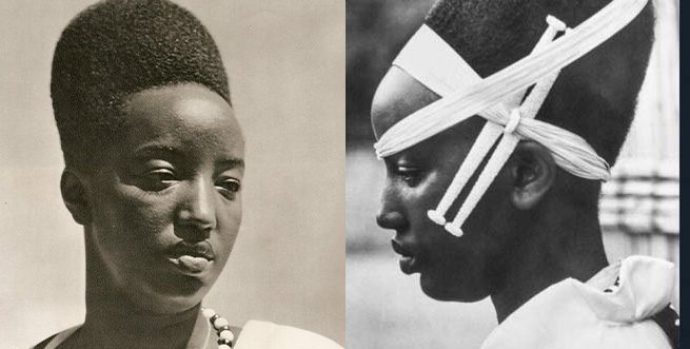
On April 20, 1994, Queen Rosalie Gicanda was killed. The order for her execution came from Captain Ildephonse Nizeyimana, who was stationed at the École des Sous-Officiers (ESO). During the genocide, Nizeyimana, along with other military figures involved in the killings such as Lt. Colonel Muvunyi Tharcisse, soldiers from the Ngoma military camp led by Lieutenant Ildefonse Hategekimana, Major Cyriaque Habyarabatuma of the gendarmerie, and the Interahamwe, played key roles.
Captain Nizeyimana ordered soldiers to kill Queen Rosalie Gicanda. Among those who went to her residence, located near the Ngoma commune office, were Lieutenant Bizimana (nicknamed “Rwatsi”), Lieutenant Gakwerere, Corporal Aloys Mazimpaka, and Dr. Kageruka. They found other targets in the house, including Jean Damascène Paris, Marie Gasibirege, Aurelie Mukaremera, Callixte Kayigamba, and Alphonse Sayidiya. Also among the victims was Uzamukunda Grace, who was shot but survived. She later died from natural causes after the genocide and was the daughter of Jean Damascene Paris, who had provided detailed information about how Queen Rosalie Gicanda and those with her were killed.
Captain Nizeyimana was convicted of genocide by the International Criminal Tribunal for Rwanda (ICTR) and sentenced to 35 years in prison.
Lt. Colonel Muvunyi was convicted of genocide and sentenced to 15 years in prison.
-
Tutsis Killed at Mugombwa Church, Gisagara
Between April 19-20, 1994, at Mugombwa Church in the Gisagara District, Tutsis from the former Muganza and Kibayi communes, as well as Nyaruhengeri and those living near Nyange Mountain, sought refuge. Father Titiano Pagolalo, an Italian priest, locked Tutsis inside the church, handing the keys over to a notorious trader, Byiyingoma, who collaborated with the killers. Interahamwe and soldiers arrived, broke into the church with guns and grenades, and set it on fire.
At Mugombwa Parish, approximately 26,700 Tutsis were killed. The main perpetrators included Ndayambaje Elie (the Mayor of Muganza Commune), Singirankabo Viateur (a councilor), Rwakaronkano, Byiyingoma, Petero Bigirimana (a cook), Yohani Mukundiye (leader of the Interahamwe), Antoine Kabirigi, Célestin Habiyambere, Emmanuel Mbarushimana, Théobald Munyaneza, among others. Burundian refugees residing in the Saga Sector camp also participated in the killings.
These Burundian refugees were supported by a Belgian priest, Constant Julius Goetschalckx, alias Stan, from the Frères de la Charité group at the Groupe Scolaire in Butare. Father Stan was a close friend of Ndayambaje and Nyiramasuhuko, and he later testified at the ICTR in 2008 to defend them. He had played a significant role in collaborating with the genocidaires in killing Tutsi refugees at Mugombwa Church.
In July 1994, Father Stan left Rwanda for Kigoma, Tanzania, where he founded a school for Rwandan refugees and hosted his friends, including ex-FAR soldiers and genocide perpetrators. A 2009 UN expert report (S/2009/603) identified Father Stan as a key figure aiding the FDLR in its efforts to destabilize Rwanda.
Elie Ndayambaje was sentenced to 47 years in prison by the ICTR.
-
Tutsis Killed at Busekanka, Nkanka Sector, Rusizi
Busekanka is located on Lake Kivu, near the port connecting Nkanka to Nkombo and the Democratic Republic of Congo. Tutsis fleeing towards Zaire were massacred here, and others were pulled from their homes and executed by the lake.
At Busekanka, no barriers existed; instead, the Interahamwe from the Kagali-Kangazi area would rally whenever they saw Tutsis fleeing.
The first killings took place from April 20, 1994, through the end of May 1994. The Interahamwe killed Tutsis with extreme brutality, some being buried alive with their limbs bound, others having their eyes gouged out before being thrown into Lake Kivu while still alive to watch them die.
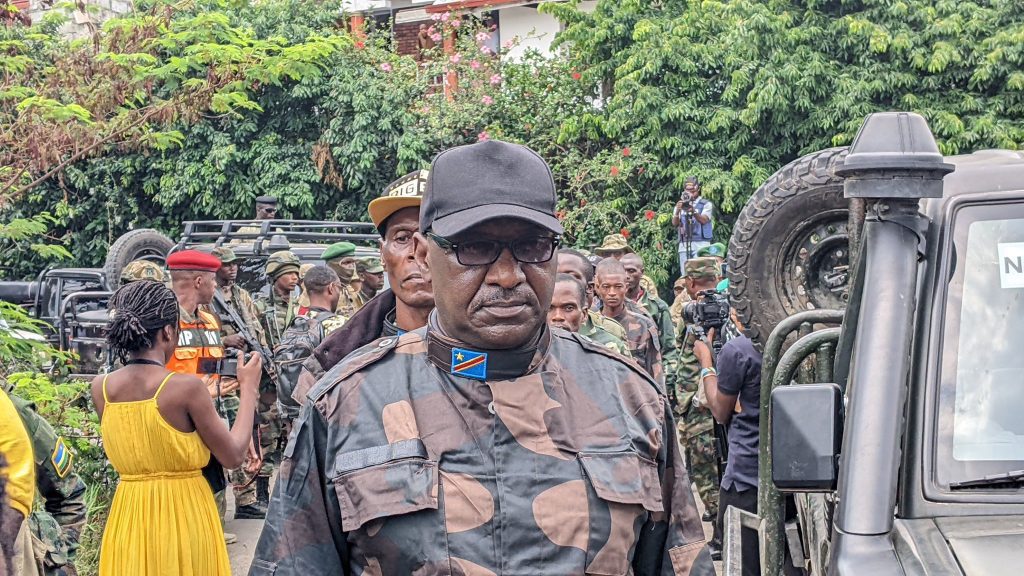
General Ezekiel Gakwerere, recently apprehended in the DRC, is one of the accused in the killing of Queen Gicanda.
-
Tutsis Killed at Rutabo, CND, Kinazi Sector, Ruhango
At Rutabo, a large pit was dug, into which Tutsis were thrown alive after being executed. The pit was near the Rutabo primary school and was dug by a teacher named Nsabimana Jacques, who was also the president of the CDR (Coalition for the Defense of the Republic) in Ntongwe Commune. He referred to the pit as a “latrine.”
The Tutsis killed here were from Ntongwe, Mugina, Bugesera, and other areas. After being killed, their bodies were thrown into the pit alongside others killed at various barriers and outlying areas. This mass killing was carried out by gendarmes, Interahamwe, and Burundian refugees from the Nyagahama camp.
Among the prominent perpetrators were the Mayor of Ntongwe Commune, Charles Kagabo, and CDR president Nsabimana Jacques.
-
Tutsis Killed at Nyumba Catholic Parish, Gishamvu Commune
At the Nyumba Catholic Church in Gishamvu, Tutsis who had fled from Kigembe, Runyinya, Nyakizu, Rwamiko, Mubuga, and Gishamvu communes were shot by gendarmes and Interahamwe stationed on the hills of Nyakibanda. Between 25,000 and 30,000 Tutsis were killed at this site.
Source: MINUBUMWE