Rwandans who had been living in the forests of the Democratic Republic of Congo, held hostage by the FDLR terrorist group that committed the 1994 Genocide against the Tutsi in Rwanda, continue to return in large numbers after the M23 rebels facilitated their repatriation—especially those in areas under M23 control.
On Saturday, May 17, 2025, a group of 360 people was received and immediately taken to the Kijote temporary camp located in Bigogwe Sector, Nyabihu District. There, they will stay briefly for registration before being relocated to their home districts and sectors.
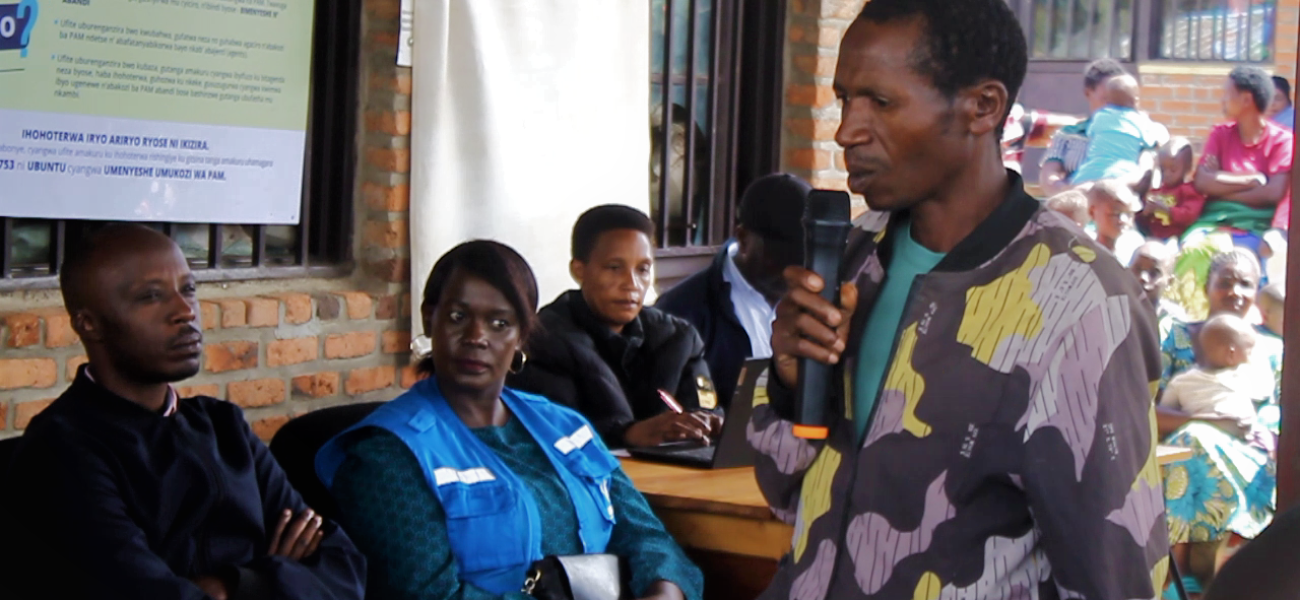
When the Minister of Emergency Management (MINEMA), Maj. Gen. (Rtd) Albert Murasira, visited these returnees on Monday, May 19, 2025—just one day after their arrival in Rwanda—they presented him with a multitude of pressing concerns, primarily about how they would live in Rwanda.
The returnees include a wide range of cases: children and youth born in Congo who do not know their Rwandan origins, people who had sold all they owned before going to Congo and now have no property in Rwanda, women married to Congolese men who returned alone with their children while their husbands remained behind, and others.
They all asked MINEMA—also responsible for refugee and disaster issues—how they would survive without property or family in Rwanda. Some don’t even know their roots, presenting a major challenge for their reintegration.

In response, Minister Murasira reassured them that they are not the first returnees with such concerns and that today’s Rwanda is no longer what people used to describe as “a glass full of water”—meaning there’s no room. He urged them not to worry about how they will live now that they are in their own country.
He said:
“Rwanda has a plan to resettle every Rwandan who wishes to return. Even where little is available, people can still share and survive. You are not the first, and others with similar problems have been helped. Don’t worry—you will have somewhere to live and something to live on because this is your home.”
He explained that once everyone is registered, authorities will identify each person’s unique situation, and different agencies will work together to find solutions tailored to each case. As a first step, returnees were photographed and issued identification documents, including national ID cards.
Minister Murasira also clarified that these returnees are not cut off from their property or families in Congo. They may return to visit relatives or even sell property, if they still have full ownership rights—while retaining their Rwandan citizenship and documents.
So far, 1,156 Rwandans have returned. On Monday, May 19, 2025, 896 were repatriated by UNHCR and taken to the Nyarushishi temporary camp in Rusizi District. Authorities expect to receive a total of about 2,500 returnees.