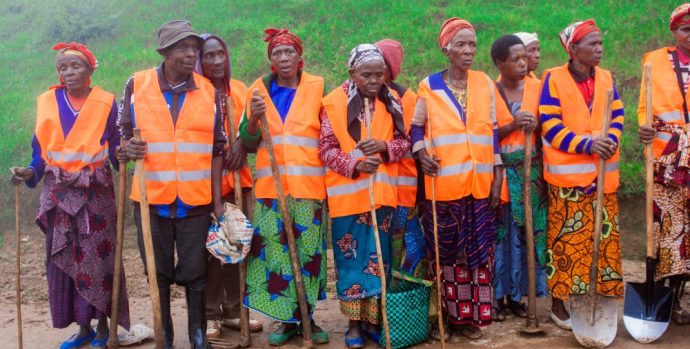
Residents of Gicumbi District employed through the VUP (Vision 2020 Umurenge Program) are thankful for the opportunities they’ve received, yet express serious concerns over the low wages they currently earn.
This was revealed on Wednesday, May 14th, during a visit by representatives from various embassies who were in Gicumbi to assess VUP-supported projects funded by the UK’s Foreign, Commonwealth & Development Office (FCDO).
The support is channeled through the EPR project, implemented by Rwanda’s Local Administrative Entities Development Agency (LODA).
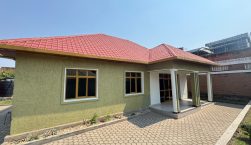
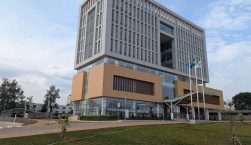
Among the projects visited were gender-sensitive mattress production by VUP beneficiaries in Miyove sector, as well as road works and a health center. In Kageyo sector, visitors toured a vocational and technical training school.
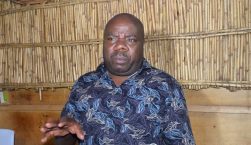
Christine Mukansanga, a representative of the “VUP Public Works” program in Kageyo, explained that the initiative supported her while raising five children. She’s now able to pay for schooling for three of them, who currently work in the security sector.
She noted that one of the main advantages of being a VUP beneficiary is regular access to money, which allows families to avoid hunger and manage basic needs.
Mukansanga added that she was also able to purchase small livestock like chickens and goats thanks to VUP, but pointed out that the low payments are now a serious issue given rising market prices.
She said:
“We’re happy to have jobs, but the money we earn compared to today’s market prices is extremely low. A casual laborer earns Rwf 1,500 per day, I earn Rwf 2,500 as a supervisor, and a team leader earns Rwf 2,000.”
She suggested that daily laborers and team leaders should get at least Rwf 500 more, and supervisors should receive an extra Rwf 1,000.
Another beneficiary, Théoneste Ngerageze, echoed similar concerns:
“Considering the market situation, if our pay increased from Rwf 1,500 to Rwf 2,000, that would be sufficient. Potatoes used to cost Rwf 300 per kilo, now it’s Rwf 600–700. Beans went from Rwf 500 to Rwf 1,500. So you see, the money we earn is very little, and we need an increase.”
Séraphine Uwizeyimana said sometimes after receiving her wages, she goes to the market and can’t find anything affordable. She called for a modest salary increment.
LODA Director General, Claudine Marie Solange Nyinawagaga, explained that VUP is not only about manual jobs, but also includes access to loans, vocational training, and equipment to support sustainable livelihoods.
She assured that as resources grow, VUP support will increase accordingly:
“As the country gains capacity, these are our citizens, we love them. What’s available today is already meaningful for those who want to work and grow.”
Anna Wilson, Head of Development at the British Embassy in Rwanda, commended LODA’s leadership of the VUP and said they were proud partners of the program. She praised the way residents of Kageyo and Miyove sectors are working their way out of poverty.
According to the 7th Integrated Household Living Conditions Survey (EICV7), poverty in Rwanda dropped by 12.4%—over 1 million people—between 2017 and 2024, largely due to employment generated by the VUP.
At least one million Rwandans living below the poverty line benefit from VUP each year.