On April 21, 1994, during the height of the Genocide against the Tutsi, more Tutsi were killed on this single day than on any other day of the genocide.
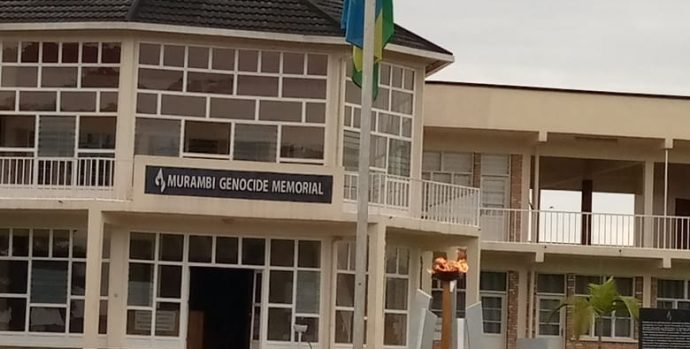
Across different regions of the country, over 250,000 Tutsi were murdered, in massacres that took place in various locations including Murambi, Cyanika, Nyanza, Kinazi, Cyarwa-Tumba, among others.
Research conducted by MINUBUMWE (Ministry of National Unity and Civic Engagement) on the planning and execution of the Genocide against the Tutsi confirms that April 21, 1994, marks the deadliest day of the genocide nationwide.
According to this research:
-
Over 50,000 Tutsi were killed at Murambi (Nyamagabe, formerly Gikongoro).
-
More than 35,000 were massacred at Cyanika Catholic Parish, Nyamagabe.
-
Another 47,000 were killed at Kaduha Catholic Parish, also in Nyamagabe.
The genocidal government continued to seek more weapons and resources to carry out the killings.
MINUBUMWE states that under the government’s so-called “civil self-defense” policy, Hutu civilians were mobilized, armed, and even given money to accelerate the extermination of Tutsi so that when the Rwandan Patriotic Front (RPF) arrived, they would find no survivors.
As the genocidal regime was losing the war, it intensified the killings in the areas it still controlled. Prime Minister Jean Kambanda assigned each minister to oversee the extermination of Tutsi in a specific region.
Notable participants included:
-
Pauline Nyiramasuhuko in Butare
-
Edouard Karemera and Eliezer Niyitegeka in Kibuye
-
Callixte Nzabonimana in Gitarama
-
Augustin Ngirabatware in Gisenyi
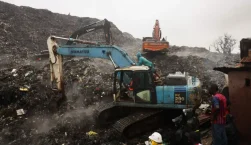
To cover up the crimes, they formed committees to destroy evidence by demolishing homes and hiding the bodies.
On this day, large mobs of Hutu attackers, armed with clubs and machetes, entered areas sheltering Tutsi refugees. Around 9:00 AM, Interahamwe militias, wearing banana leaves for identification, launched coordinated attacks and massacred the refugees.
Later, children who had survived were rounded up, fed porridge laced with acid, and killed.
About 70,000 bodies are buried at Karama Genocide Memorial.
April 21, 1994, also witnessed the killings of Tutsi in Gishubi, including locals and others fleeing from Ndora, Musha, and Gikongoro.